

Helio
As humans continue to take steps into the next frontier of space exploration, it is essential to remember how we got here. Helio is a minimalist clock inspired by the wood and brass space research instruments of the 17th and 18th century.
My team and I designed Helio as part of a six-week project at MIT focused on end to end product design and manufacturing. We developed the concept, prototyped and then handcrafted 60 units of the finished product. Helio sold out within two hours of it going on sale.
In this project, I developed skills in concept development, rapid prototyping, user testing, design for manufacturing and pricing strategies.
The Making of Helio
Step 1: Mood-board & Brainstorming
Researched existing products to understand their designs and build inspiration upon.


Step 2: Concept Sketches
Sketched out 40 concepts, evaluated and shortlisted them using the Desirability, Feasibility and Viability framework.
Step 3: CAD Modelling
Created 3D CAD models to better visualize the concept and break it down to manufacturable components. This was an iterative process where we made the 3D models, evaluated them and updated the design based on data collected from prototypes and user testing.


Step 4: Prototyping & User Testing
We prototyped each component of Helio. Along with User Testing this helped us determine:
-
Size and form of the clock
-
Materials to use for each component
-
Test manufacturing processes
 Clock Face PrototypesPrototyped 20 clock face designs |  User testing the clock hand designGathered user feedback on clock hand preference |  Clock StandsPrototyped 10+ clock stand designs |  Clock Hand positionUsed user feedback to determine clock hand position |  Clock HandsPrototyped 30+ clock hand designs |
|---|
Step 5: The First Unit
Helio was designed with flexibility in mind. The front face, back cover and clock hands were made using the laser cutter and water jet, which allowed us to experiment with their designs till the last minute.


Step 6: Manufacturing
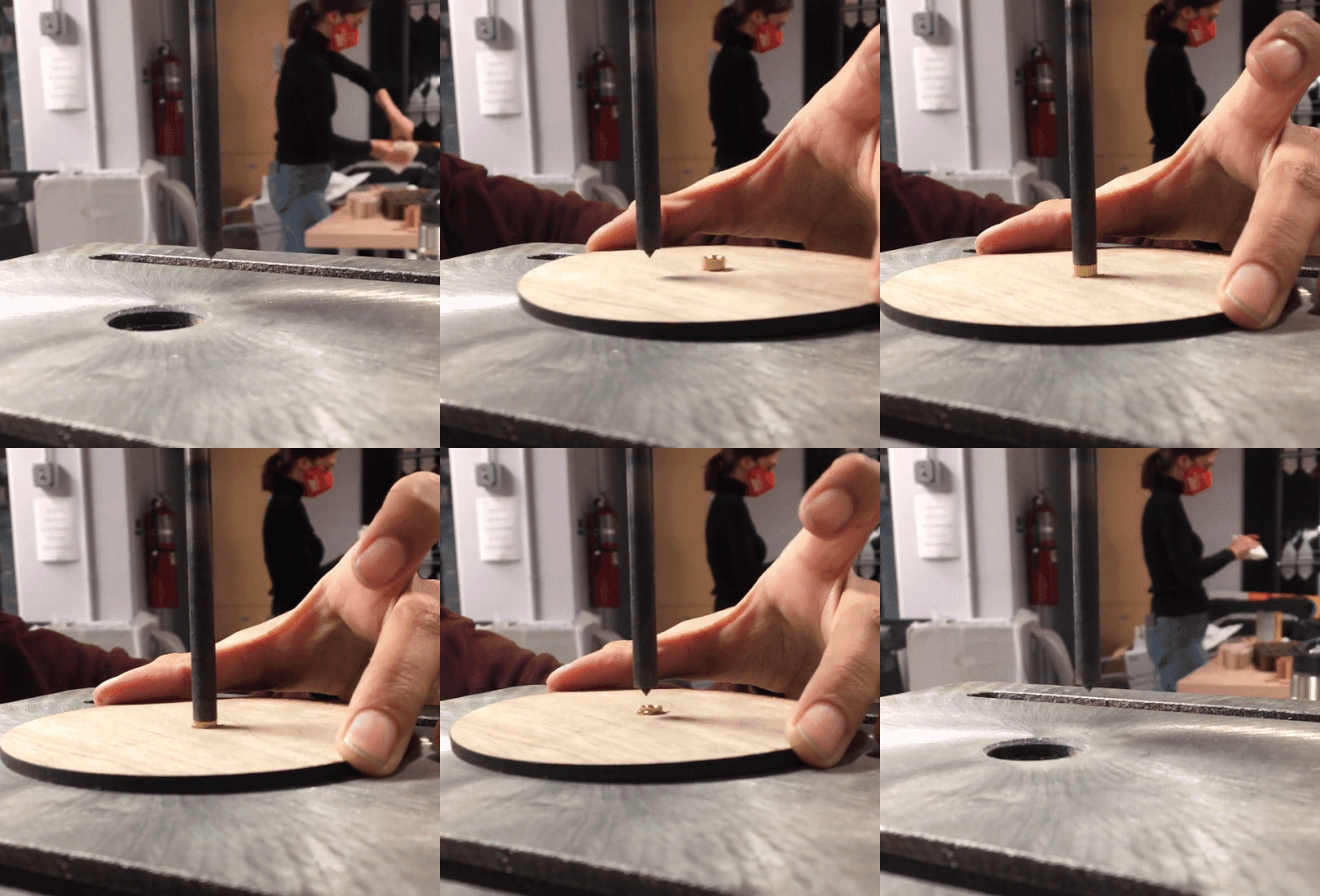
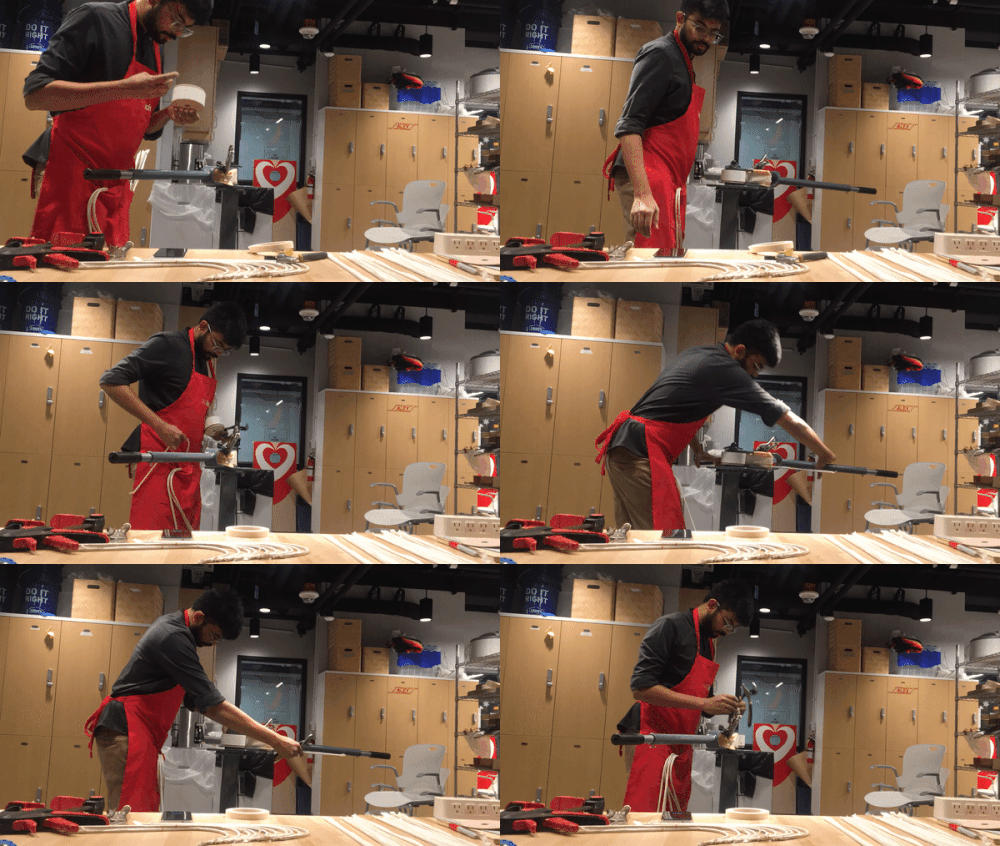
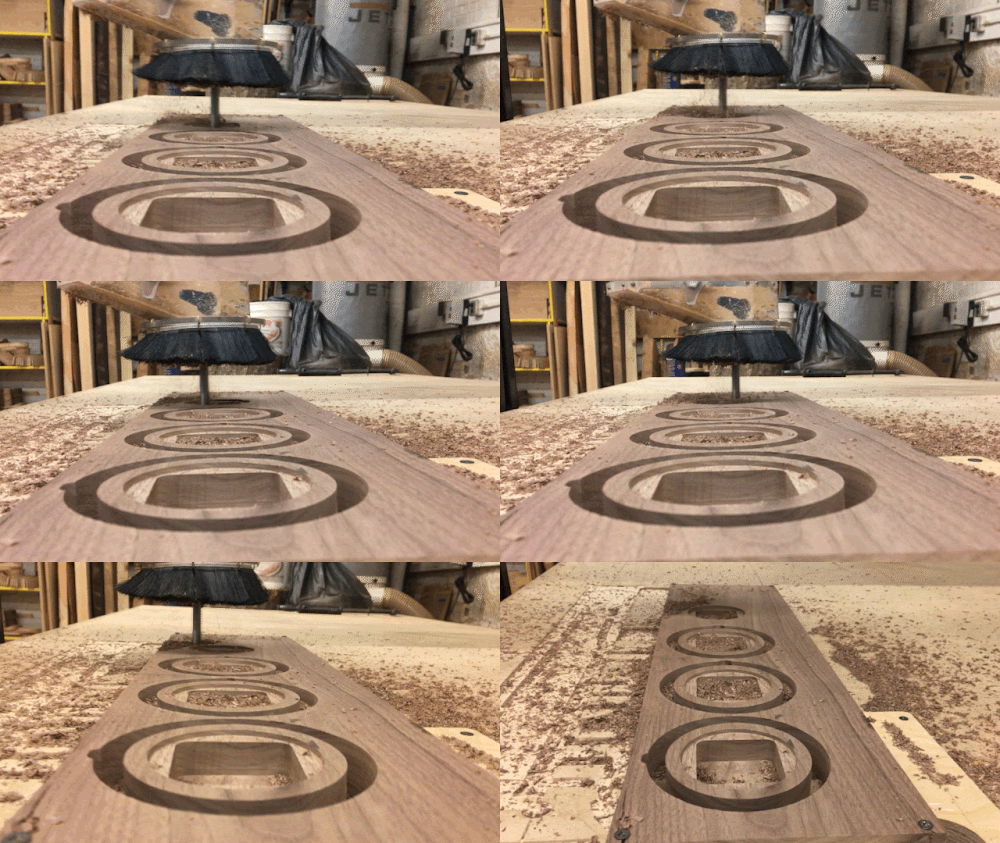
We developed a comprehensive plan to manufacture, assemble and quality test the components for 60 units of Helio to meet our two-week deadline. I broke down each component into discreet manufacturing steps, based on which I designed jigs to speed up and maintain the quality of the part in their manufacturing processes.
Equipment Used:
-
Water jet
-
Laser Cutter
-
Drill Press
-
CNC Router
-
Table Router
-
Metal Bender
 |  |  |
|---|---|---|
 |  |
Making Helio a Product
Brand Identity
We designed Helio to be a premium minimalist desk clock, and we wanted every aspect of owning Helio to feel premium as well. We created a visual identity, packaging and the unboxing experience to reflect that as well. Helio was showcased through Instagram and a website to create public interest in the product.


Creating Premium Value
To create a feeling of exclusivity, we created a limited edition SKU of 5 Helio clocks, that was personally autographed by Astronaut Jeffrey Hoffman. One clock for each of the space missions of the astronaut. These units made our regular SKU feel more exclusive and premium as well.

The Helio Team after the MIT IDM Sales Gala.
We sold out the entire inventory of 60 clocks within two hours of going on sale.
With Jeffrey Hoffman’s support, we generated enough profits to donate $1000, to the Science Club for Girls foundation.
